
 Save 15% on your 1st Autoship learn more

 Email us
 Live Chat
 FAQs
FAQs





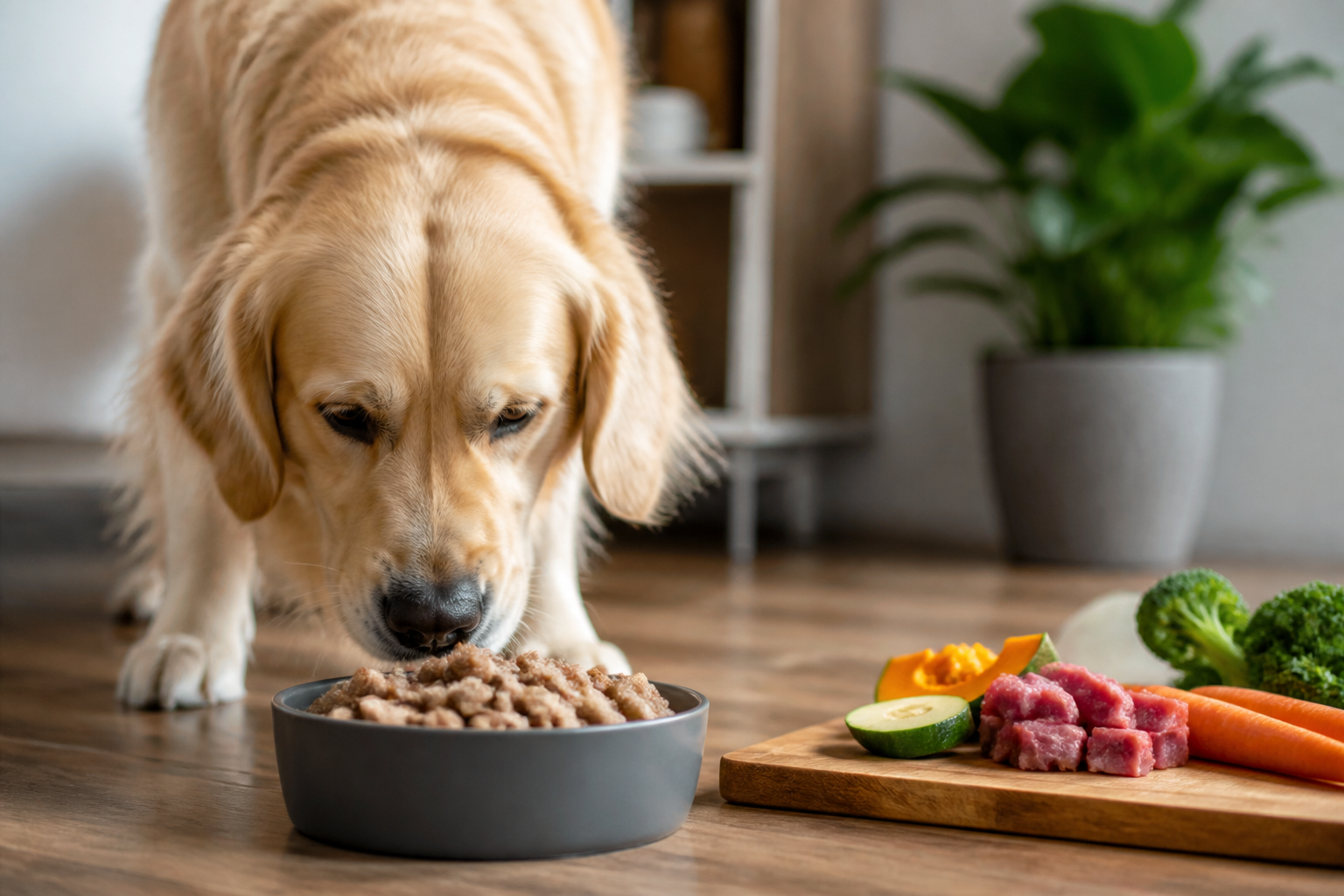
Introduction
You are standing in the pet food aisle and find yourself staring at a bag that claims to be raw meat but sits on a shelf like a bag of chips. It is a confusing moment for any dedicated pet owner. You want the nutritional power of a raw diet but the convenience of a traditional kibble. We at BaxterBoo have spent years helping owners navigate these exact choices since we opened our doors in 2006. This article explores whether freeze dried raw food is the right move for your dog. We will cover the nutritional benefits, the safety considerations, and how to tell if your specific pet will thrive on this diet. Choosing the right food is one of the most important decisions you make as a pet parent.
Quick Answer: Freeze dried raw dog food is an excellent, nutrient-dense option that provides the benefits of raw feeding with the shelf-stable convenience of kibble. It is generally safe and highly palatable, though owners must handle it carefully to avoid bacterial risks and ensure the formula is nutritionally balanced.
What Exactly Is Freeze Dried Raw Dog Food?
Freeze dried dog food is a unique category that sits between traditional dry kibble and frozen raw diets. To create it, manufacturers take raw ingredients like muscle meat, organs, and bone. These ingredients are frozen at extremely low temperatures. Once frozen, the food enters a vacuum chamber. Through a process called sublimation, the moisture turns directly from ice into vapor without ever becoming a liquid.
This process is critical because it removes the water while leaving the cellular structure of the food intact. Unlike kibble, which is cooked at high heat through a process called extrusion, freeze dried food never reaches high temperatures. This means the proteins, enzymes, and vitamins do not break down. The result is a lightweight, shelf-stable nugget or patty that retains almost all the nutritional value of the original raw ingredients.
Most of these recipes are incredibly simple. You will often see a high percentage of animal protein followed by a small amount of fruits, vegetables, and essential vitamins. Because the water is gone, the nutrients are highly concentrated. This is why a small bag of freeze dried food often contains as much nutrition as a much larger, heavier bag of wet or fresh food. Explore our freeze-dried dog food selection to compare available formats and recipes.
The Primary Benefits of a Freeze Dried Diet
The most common reason owners switch to freeze dried raw is the nutritional integrity. When you cook meat at high temperatures, some amino acids and vitamins are lost. Manufacturers then have to add synthetic versions of these nutrients back into the food. With freeze drying, the nutrients stay in their natural state. This often makes them easier for your dog to absorb and use.
Many owners notice physical changes in their dogs after making the switch. These can include:
- Smaller, firmer, and less smelly stools due to high digestibility.
- A shinier, softer coat from the natural fats and oils.
- Increased energy levels, especially in senior dogs.
- Cleaner teeth because there are fewer starches and sugars to stick to the enamel.
Palatability is another huge factor. If you have a picky eater, freeze dried food is often a successful solution. The process locks in the natural aroma and flavor of the meat. To a dog, it smells like real food because it is real food. We often see owners use these products as a topper to entice dogs who have lost interest in their standard meals. For more ideas, read our guide to dry dog food for picky eaters.
Key Takeaway: Freeze drying preserves the natural enzymes and vitamins that high-heat cooking destroys. This results in a nutrient-dense meal that is highly digestible and very appealing to picky eaters.
Understanding the Safety and Pathogen Risks
Safety is the most frequent concern owners have when asking if freeze dried raw food is good for dogs. Because the food is technically raw, there is a risk of pathogens like Salmonella or Listeria. It is a common misconception that the freeze drying process kills bacteria. While it removes the moisture that bacteria need to grow, some bacteria can survive in a dormant state.
Many reputable brands now use a process called High-Pressure Pasteurization (HPP). This involves putting the food under extreme pressure to neutralize harmful pathogens without using heat. This maintains the raw status of the food while making it much safer for your home. Always check the packaging or the brand website to see how they manage pathogen safety.
You must also consider the safety of the humans in the house. When you handle freeze dried raw food, you should treat it with the same respect you give raw chicken from the grocery store. This means washing your hands, bowls, and surfaces thoroughly after every feeding. If there are infants, elderly individuals, or immunocompromised people in your home, you must be extra cautious.
Vet Tip: If your dog has a compromised immune system or a chronic health condition, consult your veterinarian before switching to a raw diet. Our pharmacy carries a variety of prescription diets and medications through our partnership with Pet's Choice if your vet determines a specialized medical diet is a safer route.
Is It a Good Fit for Your Dog?
While freeze dried food is high in quality, it is not a universal solution for every dog. You should consider your dog's specific life stage and health history. For example, puppies have very strict requirements for calcium and phosphorus ratios to ensure their bones grow correctly. Most premium freeze dried foods are formulated for all life stages, but you must verify this on the label.
Senior dogs often thrive on the high protein content of these diets. As dogs age, they can lose muscle mass. The easily digestible proteins in a raw-based diet can help maintain that muscle. However, dogs with advanced kidney disease may need a lower protein or lower phosphorus diet. This is another area where a quick conversation with your vet is vital. You can also compare considerations in our guide to choosing food for senior dogs.
Weight management is another consideration. Because freeze dried food is so nutrient-dense, it is very easy to overfeed. The portions look much smaller than what you might be used to with kibble. If your dog is prone to obesity, you must use a measuring cup and follow the feeding guidelines strictly. Even a few extra nuggets a day can lead to unwanted weight gain.
How to Feed Freeze Dried Raw Effectively
You have two main ways to serve this food: as a complete meal or as a topper. If you use it as a complete meal, it is the most expensive way to feed your dog, but it provides the most consistent nutritional benefits. Many owners find a middle ground by using it as a mixer. They might replace 25 percent of their dog's kibble with freeze dried nuggets to boost the nutritional profile without breaking the budget.
Rehydration is a step that many owners skip, but it is highly recommended. Since the moisture has been removed, your dog's body has to provide the water to digest the food. This can lead to mild dehydration if your dog is not a heavy drinker. Adding a bit of warm water or goat's milk back into the food helps with digestion and makes the meal even more aromatic. For additional serving guidance, see how to feed freeze dried dog food.
Step 1: Measure the correct portion based on your dog's weight. / Use a standard measuring cup or a kitchen scale for accuracy.
Step 2: Crumble the nuggets or patties. / This creates more surface area for moisture to penetrate.
Step 3: Add warm water or broth. / Use about one tablespoon of liquid for every two nuggets, or follow the specific brand instructions.
Step 4: Let it sit for a few minutes. / This allows the food to fully reabsorb the liquid before serving.
Managing the Cost and Value
There is no getting around the fact that freeze dried food is more expensive than standard kibble. The technology required for the sublimation process is costly, and the ingredients are usually premium. However, many owners find value in the long-term health benefits. Fewer vet visits for skin allergies or dental cleanings can offset the higher cost of the food over time.
We recommend looking into our Autoship program if you decide to make freeze dried food a permanent part of your routine. This allows you to save on every order and ensures you never run out of food. Since freeze dried bags are lightweight, they are also very easy to store and ship. You do not have to worry about clearing out space in your freezer like you would with a frozen raw diet.
Value is not just about the price per bag. It is about how much nutrition your dog gets per ounce. Because there are no fillers like corn, wheat, or soy, your dog uses more of what they eat. This often results in feeding smaller volumes than you would with a lower-quality dry food. Use our guide to freeze dried food portions when comparing daily amounts and feeding costs.
Transitioning Your Dog Safely
You should never switch your dog's food overnight, especially when moving from a processed kibble to a raw-based diet. Their digestive system needs time to adjust to the new protein levels and the presence of natural enzymes. A sudden change can lead to diarrhea or upset stomach.
A standard transition should take about 7 to 10 days. Start by mixing 25 percent of the freeze dried food with 75 percent of the old food for the first three days. If the stool remains firm, move to a 50/50 split for the next three days. Finally, move to 75 percent new food for the last few days before making the full switch.
For another gradual transition approach, see our guide to switching your dog to a new food.
Bottom line: A slow transition is the best way to avoid digestive upset when moving to a nutrient-dense raw diet.
Common Myths About Freeze Dried Raw
One common myth is that freeze dried food is the same as dehydrated food. While they look similar, the processes are different. Dehydration uses low heat to evaporate water, which can still break down some delicate nutrients. Freeze drying uses cold, which preserves the food's integrity more effectively.
Another myth is that dogs get aggressive or "bloodthirsty" when eating raw meat. This is entirely false and is not supported by any behavioral science. Diet and behavior are linked through energy levels and gut health, but eating raw-based food does not change a dog's basic personality or temperament.
Some people also believe that all freeze dried food is grain-free. While most are, it is not a requirement of the process. Some brands include ancient grains like quinoa or oats. If your dog has a specific grain sensitivity, always read the ingredient list carefully rather than assuming all raw-based foods are grain-free.
Environmental and Storage Considerations
One of the practical reasons freeze dried raw dog food is good for dogs and their owners is the shelf life. Because the moisture is gone, bacteria cannot easily grow, even without chemical preservatives. Most bags will stay fresh for 18 to 24 months if left unopened. Once opened, you should generally use the bag within 30 to 60 days to ensure the fats do not oxidize.
Storage is simple. You do not need a refrigerator or a freezer. A cool, dry pantry is perfect. This makes freeze dried food the ideal choice for traveling or camping with your dog. You can pack a week's worth of highly nutritious meals into a small corner of your suitcase without worrying about spoilage or weight. For related storage ideas, read how to keep dog food dry while traveling.
From an environmental standpoint, shipping freeze dried food is more efficient. Because it is so lightweight, it requires less fuel to transport compared to heavy cans of wet food or frozen blocks of meat. This makes it a slightly more sustainable option for owners who are conscious of their carbon footprint.
Summary of the Switch
Making the move to a freeze dried raw diet is a significant step in your dog's health journey. It offers a level of nutrition that is hard to find in traditional kibble while maintaining a level of convenience that raw frozen food cannot match. We at BaxterBoo have seen countless dogs thrive on these diets, showing improved energy and healthier skin within weeks of the transition.
Always remember that nutrition is personal. What works for a neighbor's dog might not be the perfect fit for yours. Monitor your dog's weight, coat quality, and energy levels closely during the first month. If you notice any persistent digestive issues or lethargy, reach out to your veterinarian for a check-up.
Key Takeaway: Freeze dried raw food provides a high-value, nutrient-dense diet that is easy to store and serve, making it one of the most effective ways to improve your dog's daily nutrition.
Final Thoughts on Freeze Dried Nutrition
If you are looking for a way to upgrade your dog's bowl without the mess of a traditional raw diet, freeze dried options are a fantastic choice. They offer the best of both worlds: the safety and convenience of a shelf-stable product and the biological appropriateness of raw meat. Whether you choose to feed it as a full meal or a high-value topper, your dog will likely appreciate the boost in flavor and nutrition.
The next step is to explore the variety of proteins available. From beef and chicken to more novel proteins like venison or lamb, there is an option for almost every dietary need. Start by introducing a small bag as a topper to see how your dog reacts. Most find the taste irresistible. Browse our freeze-dried dog food category to compare protein options and serving formats.
Bottom line: Freeze dried raw food is a practical, high-quality nutrition solution for the modern dog owner.
FAQ
Does freeze dried raw food need to be refrigerated?
No, one of the biggest benefits of freeze dried food is that it is shelf-stable. You can store it in your pantry in its original resealable bag. Just make sure to keep it in a cool, dry place and keep the bag tightly sealed to maintain freshness.
Can I mix freeze dried raw with my dog's current kibble?
Yes, mixing freeze dried food with kibble is a very popular way to boost nutrition while managing costs. Many owners use it as a topper or a 25 percent mixer. Just be sure to adjust the amount of kibble you are feeding to prevent your dog from consuming too many calories.
Is freeze dried raw food safe for puppies?
Most freeze dried raw foods are safe for puppies as long as the packaging states that the food is formulated for all life stages. Puppies have specific requirements for bone-building minerals. Always verify that the brand meets AAFCO standards for growth before making it their primary source of nutrition.
Why is freeze dried dog food so expensive compared to kibble?
The cost comes from the high quality of the raw ingredients and the expensive freeze drying process itself. Because the food is so nutrient-dense and lacks fillers, you generally feed less by volume than you would with kibble. Many owners find the health benefits and reduced vet costs make it a worthwhile investment.






