
 Save 15% on your 1st Autoship learn more

 Email us
 Live Chat
 FAQs
FAQs





Introduction
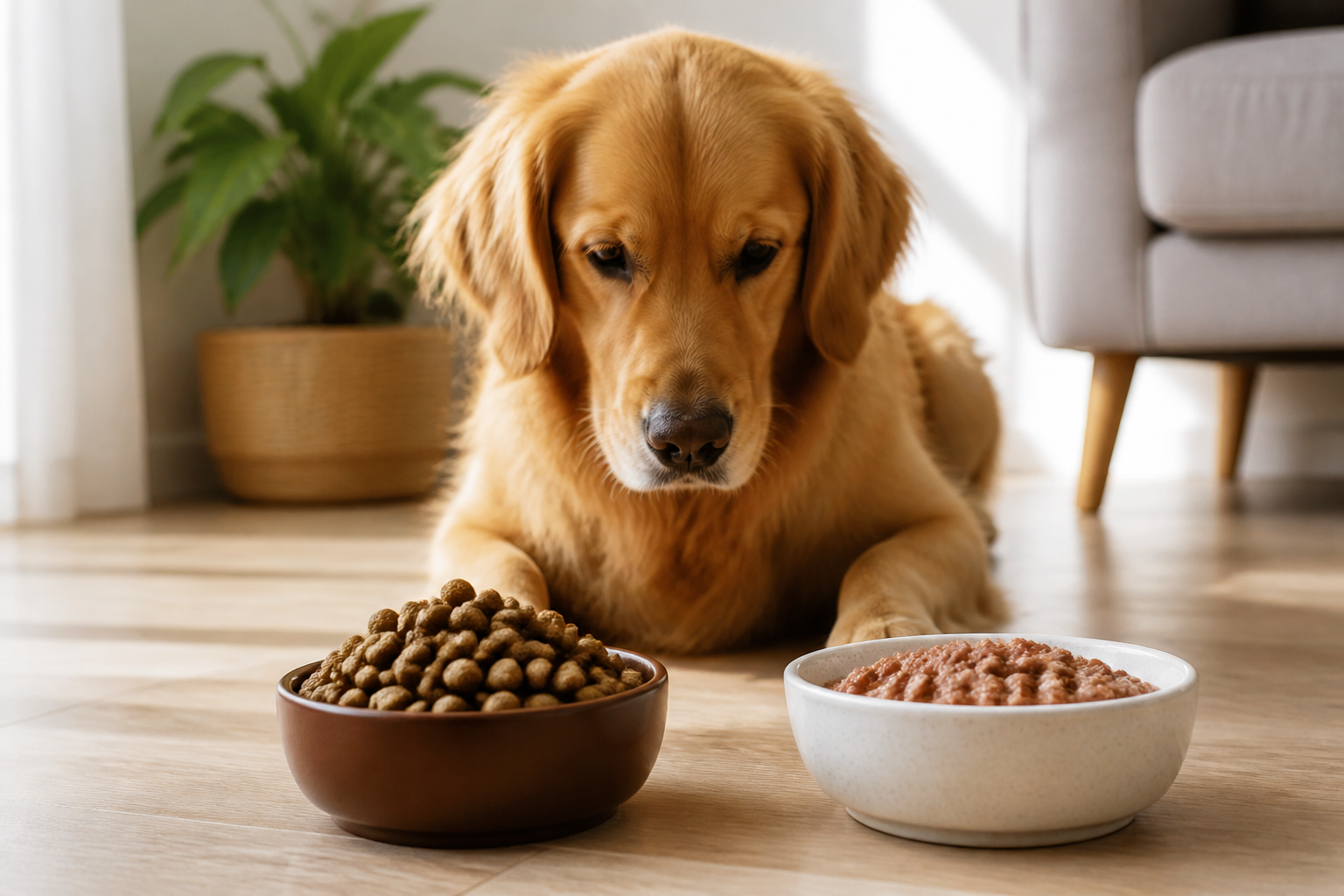
Standing in the dog food aisle or scrolling through endless pages of bags and cans can feel like a test you did not study for. You might be holding a bag of premium kibble in one hand and a can of gourmet pate in the other, wondering which one will actually help your dog thrive. Every dog has different needs based on their age, activity level, and health history. At BaxterBoo, we see this dilemma every day from pet parents who want to balance nutrition with convenience and cost. This guide will break down the differences between wet and dry options to help you make an informed choice for your dog. We will explore the benefits of each format and how to decide what belongs in the bowl.
The Core Differences Between Wet and Dry Dog Food
The primary difference between these two formats is moisture content and processing. Dry dog food, or kibble, usually contains about 10 percent moisture. It is made by mixing ingredients into a dough, which is then cooked and pushed through an extruder to create specific shapes. These pieces are dried and often sprayed with fats or vitamins to enhance flavor and nutrition.
Wet dog food contains much more water, often between 70 and 80 percent. The ingredients are ground up and mixed with a gravy or gel before being sealed in a can or pouch and sterilized. This high heat process kills bacteria and creates a long shelf life while the container remains sealed. Because of the high water content, wet food feels and smells more like real meat to most dogs.
Quick Answer: Neither format is universally better, but they serve different needs. Dry food is convenient and cost-effective, while wet food provides essential hydration and higher palatability for picky eaters or seniors.
The Advantages of Feeding Dry Dog Food
Dry food is the most popular choice for American pet owners for several practical reasons. It is generally the most economical way to feed a dog. Because it is calorie-dense, you do not need to feed as much volume to meet your dog’s energy requirements. This makes it easier to store in bulk and reduces the frequency of your shopping trips. Browse our dog food category to compare available formulas.
Convenience and Storage
One of the biggest perks of kibble is that it can sit in a bowl all day without spoiling. This is ideal for dogs that prefer to graze rather than eat a full meal in one sitting. It is also much easier to use in puzzle toys, snuffle mats, or as training treats. Since it does not require refrigeration after opening, it is the perfect option for travel or busy households.
Dental Health Support
While kibble is not a substitute for regular teeth brushing, the mechanical action of chewing crunchy food can help. As a dog bites down on a hard piece of kibble, the friction helps scrape away some of the plaque on the surface of the teeth. Some specialized dental diets, such as those from Royal Canin, are specifically shaped to maximize this cleaning effect.
Enrichment Opportunities
Kibble allows for mental stimulation during mealtime. You can hide dry bits in a Kong toy or toss them across the grass for a scavenging game. This turns a five-minute meal into a twenty-minute brain workout. It is a simple way to keep high-energy breeds occupied and happy.
Key Takeaway: Dry food is the king of convenience. It supports dental health through chewing and offers more options for mental enrichment through puzzle feeders.
The Advantages of Feeding Wet Dog Food
Wet food is often seen as a treat or a topper, but it is a complete nutritional powerhouse on its own. For many dogs, the sensory experience of wet food is far superior to dry pellets. You can compare canned and pouch options in our wet dog food selection.
Superior Hydration
Many dogs do not drink enough water on their own. This is particularly concerning for dogs with a history of urinary tract issues or kidney disease. Feeding wet food is an easy way to sneak extra hydration into their diet. The moisture content helps the kidneys flush out toxins and keeps the bladder healthy.
High Palatability for Picky Eaters
If your dog turns their nose up at dry food, the strong aroma of wet food might change their mind. The smell of meat and gravy is much more intense than the scent of dry kibble. This is especially helpful for sick dogs or those who have lost some of their sense of smell as they age. For additional ideas, read our guide to dry food for picky eaters.
Weight Management and Satiety
Wet food can be a secret weapon for weight loss. Because it is mostly water, it has a lower caloric density than dry food. This means your dog can eat a larger volume of food while consuming fewer calories. This helps them feel full and satisfied, reducing the amount of begging between meals.
Ease of Eating
Dogs with missing teeth, sore gums, or small jaws often struggle with hard kibble. Wet food requires very little chewing and is easy to swallow. It is also a great vehicle for hiding medications or supplements. If your dog needs to take a pill, burying it in a spoonful of canned food is much easier than trying to force it into a piece of kibble.
Vet Tip: If your dog has a chronic health condition like kidney disease or severe allergies, consult your veterinarian about prescription wet foods. Our pet pharmacy offers FDA-approved prescription diets through our partnership with Pet's Choice.
Comparing Nutritional Profiles
Both wet and dry foods can be nutritionally complete and balanced. To ensure this, look for the AAFCO (Association of American Feed Control Officials) statement on the label. This statement confirms the food provides all the necessary vitamins, minerals, and proteins for a specific life stage.
- Proteins and Fats: Wet foods often have higher levels of animal-based protein and fat compared to dry food.
- Carbohydrates: Dry food requires starches and carbohydrates to hold its shape. If you are looking for a low-carb diet, wet food is usually the better route.
- Preservatives: Dry food often relies on preservatives to keep the fats from going rancid in the bag. Wet food is preserved by the canning process itself, so it often contains fewer synthetic preservatives.
Choosing Based on Life Stage
Your dog's age plays a massive role in whether wet or dry food is the better choice. Nutritional needs shift as a dog grows from a tiny puppy into a senior. For dogs needing digestive-focused options, explore our selection of NutriSource products.
For Puppies
Puppies have small teeth and high energy needs. Wet food is excellent during the weaning process because it is soft and easy to digest. However, many owners transition to kibble to help with the high cost of feeding a growing dog. Mixing the two is a popular choice for puppies to provide variety and ensure they do not become too picky as they grow.
For Senior Dogs
Senior dogs often experience a decline in appetite and dental health. A soft, smelly wet food can encourage an older dog to keep eating. If your senior dog has joint issues or mobility struggles, the extra hydration in wet food can also help keep their tissues lubricated and healthy. See our senior dog food comparison for another perspective.
Bottom line: Puppies benefit from the easy textures of wet food during weaning, while seniors often need it for dental comfort and appetite stimulation.
Managing Specific Health Concerns
Sometimes the choice between wet and dry food is made for you by a medical diagnosis. In these cases, the food becomes part of the treatment plan.
If your dog is struggling with obesity, a high-protein, low-calorie wet food can help them shed weight without feeling hungry. For dogs with urinary crystals or kidney issues, the high moisture content in wet food is often non-negotiable. It helps dilute the urine and reduce the strain on the kidneys.
On the other hand, dogs prone to heavy tartar and gum disease may do better on a dry diet designed for oral health. If your dog has a sensitive stomach, a high-quality dry food with added probiotics might provide the stability their digestive system needs. We carry several brands, including NutriSource and PureVita, that focus on digestive health.
Vet Tip: Never switch your dog to a therapeutic or prescription diet without a veterinarian's guidance. If your vet prescribes a specific diet for a medical condition, you can fill that prescription through our pharmacy.
The Best of Both Worlds: Mixing Wet and Dry Food
You do not have to choose just one. Many pet parents find that a combination of both formats works best for their budget and their dog’s happiness. This is often called "mixed feeding" or "topping." Our food topper selection can help add variety to mealtime.
Why Mix?
- Increased Interest: Adding a scoop of wet food to a bowl of kibble makes the meal much more exciting for the dog.
- Budget Friendly: You get the hydration benefits of wet food without the high cost of feeding 100 percent canned meals.
- Texture Variety: Exposure to different textures can prevent your dog from becoming a finicky eater later in life.
How to Mix Safely
It is important not to just add wet food on top of a full serving of dry food. This leads to overfeeding and weight gain. You must reduce the amount of kibble to account for the calories in the wet food. For more guidance, see how to mix dry dog food with wet food.
- Determine your dog's total daily calorie needs with your vet.
- Decide on a ratio, such as 75 percent dry and 25 percent wet.
- Use a kitchen scale or measuring cup to ensure accuracy.
- Stir the wet food into the kibble to ensure the dog does not just pick out the "good stuff" and leave the dry bits.
Storage and Safety Guidelines
Proper storage is key to preventing foodborne illness and keeping the food palatable.
For Dry Food
Store kibble in its original bag. These bags are designed to keep out moisture and light. You can place the entire bag inside a plastic or metal bin for extra protection. Squeeze the air out before sealing the bag to keep the fats from oxidizing. Use the bag within six weeks of opening. For additional storage guidance, read how long dry dog food stays fresh once opened.
For Wet Food
Once a can is opened, it must be refrigerated. Cover it with a tight-fitting silicone lid or transfer it to an airtight glass container. It should be used within three days. Never leave wet food in your dog's bowl for more than two hours at room temperature, as it can quickly grow bacteria.
Transitioning Between Foods
Whether you are switching brands or moving from dry to wet, do it slowly. A sudden change can cause diarrhea or vomiting. Our guide to switching from dry to wet dog food offers another transition approach.
- Days 1-2: 25% new food, 75% old food.
- Days 3-4: 50% new food, 50% old food.
- Days 5-6: 75% new food, 25% old food.
- Day 7: 100% new food.
Making the Final Decision
When deciding what to put in the bowl, consider your dog first and your lifestyle second. If you have a healthy, active dog who loves to crunch and a busy schedule that requires an automatic feeder, dry food is a great choice. If you have a small, picky senior dog who needs more water and struggles with hard textures, wet food is likely the better path.
At BaxterBoo, we carry over 500 trusted brands like Stella and Chewy's, Open Farm, and Farmina to give you the best selection for either choice. Whether you choose the convenience of kibble or the hydration of canned food, the goal is a happy dog with a wagging tail at mealtime.
- Check for the AAFCO statement on every package.
- Monitor your dog's weight and coat condition after a switch.
- Adjust portions based on activity levels.
- Keep fresh water available regardless of which food you choose.
Key Takeaway: The best food is the one that your dog enjoys, fits your budget, and meets their specific health requirements. Mixing both is often the most practical solution for the average household.
FAQ
Is wet food better than dry food for older dogs?
Wet food is often better for seniors because it is easier to chew and has a stronger aroma to stimulate a fading appetite. Many older dogs also suffer from dehydration or kidney issues, making the high moisture content of wet food very beneficial. However, some seniors do perfectly well on kibble softened with a bit of warm water or broth.
Does dry dog food really clean a dog's teeth?
Dry food can help reduce plaque buildup through the mechanical action of chewing, but it is not a "magic eraser" for dental health. Some kibbles are specifically designed with a larger size and fibrous texture to scrape teeth more effectively. Even if you feed dry food, you should still brush your dog's teeth and schedule professional cleanings as recommended by your vet.
Can I leave wet dog food out all day?
No, you should never leave wet dog food out for more than two hours. Because of its high moisture and protein content, it is a breeding ground for bacteria like Salmonella and Listeria once it reaches room temperature. If your dog is a grazer who likes to snack throughout the day, dry kibble is a much safer option for their bowl.
Why is wet dog food more expensive than dry?
Wet food is more expensive because you are paying for the high water content and the more costly canning or pouching process. On a calorie-per-calorie basis, dry food is much more concentrated, meaning a single bag contains far more meals than a case of cans. While wet food is pricier, many owners find the health benefits and palatability worth the extra cost.
Summary of Feeding Choices
Choosing between wet and dry food does not have to be a permanent decision. You can adapt your dog's diet as they age or as their health needs change.
- Dry Food: Best for budget, convenience, and dental maintenance.
- Wet Food: Best for hydration, picky eaters, and senior comfort.
- Mixed Feeding: The most versatile option for most pet owners.
If you are looking for a way to save on high-quality food, consider our Autoship programme. You can get regular deliveries of your favorite brands like Zesty Paws, Fromm, or Acana and save on every order while earning MVP Rewards through the MVP Rewards programme. For dogs with specific medical needs, remember that our pharmacy is here to help with prescription diets and medications to keep your pet thriving.
Bottom line: Your dog's health starts in the bowl, so choose the format that best supports their unique needs and keeps them excited for every meal.






