
 Save 15% on your 1st Autoship learn more

 Email us
 Live Chat
 FAQs
FAQs





Introduction
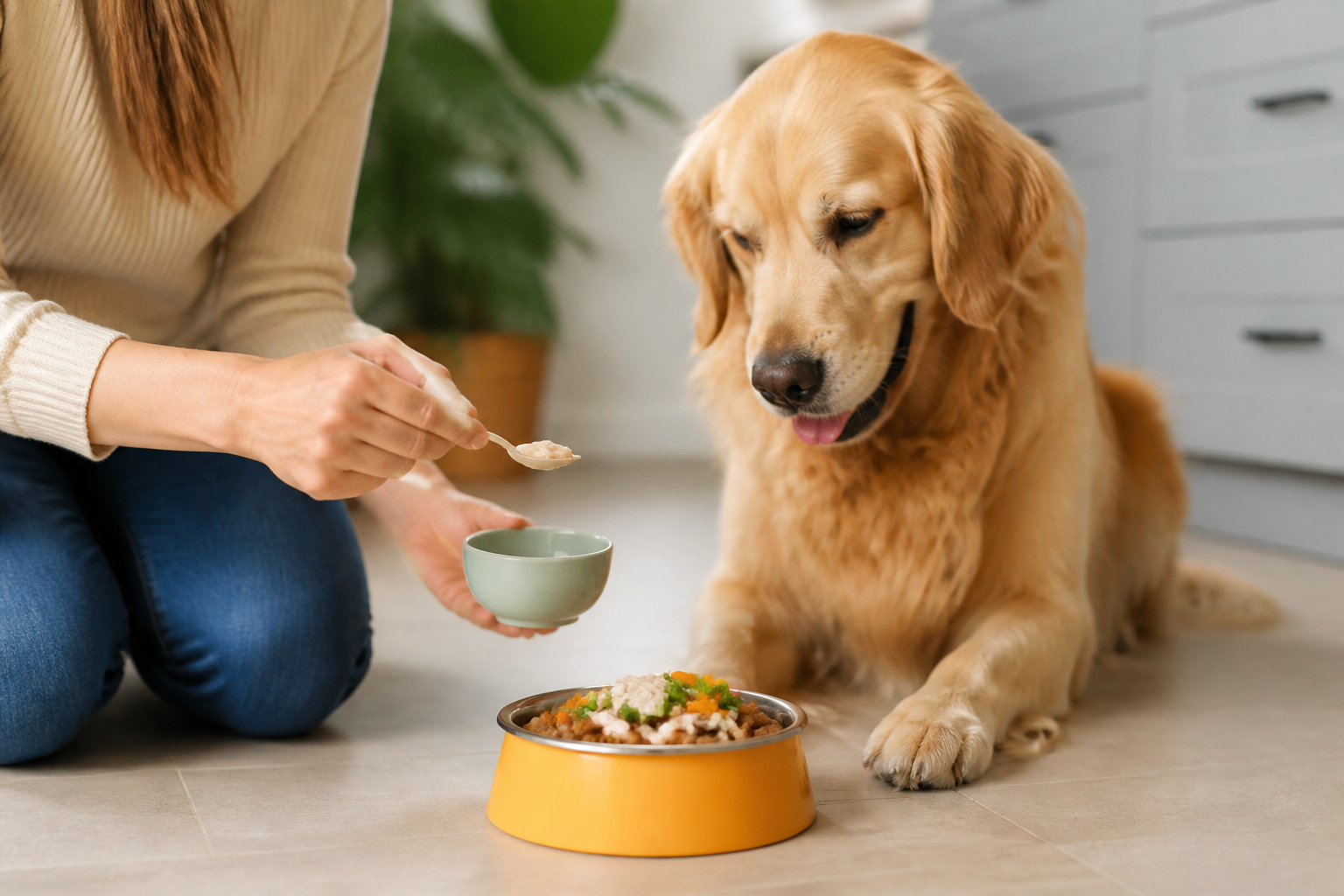
You fill the bowl with high-quality kibble and set it down. Your dog walks over, takes a single sniff, and then wanders away with a sigh. It is a frustrating moment that many pet owners face. You want your dog to get the nutrition they need, but they seem bored with the same dry crunch every single day. At BaxterBoo, we talk to pet owners every day who are looking for ways to spice up mealtime without breaking the bank or compromising on health. This guide will cover practical, expert-backed methods to enhance the flavor, aroma, and texture of your dog's dry food. You will learn how to use simple kitchen staples and specialty toppers to turn a boring meal into a gourmet experience.
Check the Freshness of Your Kibble
Before you add anything to the bowl, check the food itself. Dry dog food contains fats and oils that can go rancid over time. Once you open a bag of kibble, it stays at its peak freshness for about two to three weeks. After that, the aroma begins to fade and the taste can change. If your dog suddenly refuses a brand they usually love, the food might be stale.
Always check the "best by" date on the packaging. Store your food in the original bag inside an airtight container. The bags are designed to keep moisture and air out. Keeping the food in a cool, dry place also prevents the fats from spoiling quickly. If the food smells sour or like old paint, it is time to start a new bag.
Key Takeaway: Proper storage in an airtight container preserves the natural fats and aromas that make kibble appealing to your dog.
For more ideas about maintaining freshness, read our guide to keeping dry dog food fresh after opening.
Use Warm Water to Unlock Aromas
Dogs rely heavily on their sense of smell to decide what tastes good. Dry kibble straight from the bag does not have a very strong scent. Adding a small amount of warm water is the easiest and most cost-effective way to boost flavor. The heat releases the meaty aromas locked inside the dry pieces.
Mix about one-quarter cup of warm water for every cup of dry food. Do not use boiling water as it can destroy some of the sensitive vitamins in the food. You can serve it immediately like a "kibble soup." You can also let it sit for five minutes until the water is absorbed. This creates a soft mash that is easier for senior dogs or puppies to chew.
Add Low-Sodium Broth
If water is too plain, try using a dog-safe broth. Chicken, beef, or vegetable broths add a massive punch of savory flavor. However, you must be careful with store-bought options. Most human broths contain high levels of salt. They also often contain onions or garlic, which are toxic to dogs.
We recommend looking for broths specifically formulated for pets. If you use a human version, ensure it is labeled as low-sodium and contains no added aromatics. You can also make a simple broth at home by simmering plain chicken bones and carrots in water. A few tablespoons poured over the top of the kibble is usually enough to get a picky eater interested.
Mix in High-Quality Wet Food
Many dogs find the texture of wet food much more exciting than dry kibble. You do not have to switch entirely to a canned diet to see the benefits. Mixing a spoonful or two of wet food into the dry pieces can change the game. This provides a variety of textures and a much stronger scent profile.
When you mix the two, be sure to stir them together thoroughly. Some clever dogs will pick out the wet chunks and leave the dry kibble behind. By coating the dry pieces in the gravy or pate from the wet food, you ensure they eat the entire meal. Brands like Royal Canin and Farmina offer wet versions of their popular dry recipes to make this transition easier. You can browse our dog food collection for wet and dry options.
Elevate the Meal with Freeze-Dried Toppers
Freeze-dried raw food is one of the most popular ways to add intense flavor. These toppers are minimally processed and retain the taste of real meat. Brands like Stella and Chewy's or Vital Essentials offer meal mixers that you can crumble right over the dry food.
Because these are concentrated protein, you do not need much to make a difference. These toppers are essentially "raw power" in a convenient, shelf-stable form. At BaxterBoo, we see many owners use these as a way to provide the benefits of raw feeding with the convenience of kibble.
For more guidance, read about using freeze-dried food as a topper.
Quick Answer: You can make dry dog food taste better by adding warm water, low-sodium broth, or a spoonful of wet food. Mixing in healthy toppers like freeze-dried raw meat or plain Greek yogurt also increases palatability.
Use Healthy Oils for Flavor and Shine
Oils are a fantastic way to add flavor while supporting your dog's skin and coat. Salmon oil is a top choice for most pet owners. It has a strong fishy scent that most dogs find irresistible. It is also packed with Omega-3 fatty acids, which support joint health and brain function.
Start with a small amount to avoid upsetting your dog's stomach. A single pump of salmon oil or a teaspoon of pollock oil is often enough. Other options include coconut oil or even a small amount of extra virgin olive oil. Always ensure the oil is fresh, as rancid oil will have the opposite effect on your dog's appetite.
Safe Human Foods from Your Kitchen
You do not always need a specialty pet product to improve a meal. Your fridge is likely full of healthy add-ins. Adding whole foods provides different textures and a nutritional boost.
Try adding these safe options to the bowl:
- Plain Greek Yogurt: A dollop of yogurt adds creaminess and probiotics. Ensure it has no added sugar or xylitol.
- Cooked Eggs: Scrambled or hard-boiled eggs are high in protein and very tasty. Do not add butter or salt.
- Steamed Vegetables: Finely chopped carrots, green beans, or sweet potatoes add crunch and fiber.
- Fresh Fruits: Blueberries or deseeded apple slices provide a sweet contrast to savory kibble.
Step 1: Choose one or two dog-safe ingredients from your kitchen.
Step 2: Chop them into very small, bite-sized pieces to prevent choking.
Step 3: Mix the additions into the kibble so your dog cannot pick them out.
Step 4: Reduce the amount of kibble slightly to account for the extra calories.
For additional ideas, explore healthy additions for dry dog food.
Use Toppers and Liquid Pour-Overs
The pet food industry has created a wide range of "pour-overs" designed specifically for dry food. The Honest Kitchen makes dehydrated pour-overs that you simply hydrate and pour on top. These often look and smell like human-grade stew. They are an excellent option for owners who want to provide a home-cooked feel without the prep work.
These products are formulated to be nutritionally balanced. This means you do not have to worry as much about throwing off the mineral ratios in your dog's primary diet. They are also highly portable, making them great for travel when your dog might be too stressed to eat their normal food.
The Role of Rotational Feeding
Sometimes, dogs get bored because they have eaten the same protein source for years. Imagine eating chicken and brown rice every single day for three years. You would likely lose interest too. Rotational feeding involves switching between different protein sources or flavors within the same brand family.
For example, you might feed an Acana poultry recipe for one bag and then switch to a fish-based recipe for the next. This keeps the digestive system adaptable and the taste buds interested. When you stay within the same brand, the base ingredients are often similar. This reduces the risk of an upset stomach during the transition.
Learn more about choosing the best dry dog food for your dog's needs.
When to Consult Your Veterinarian
If your dog was a great eater and suddenly stops, it might not be a matter of taste. Behavioral changes around food can indicate medical issues. Dental pain is a very common reason dogs refuse dry food. If it hurts to crunch, they will walk away from the bowl.
Other issues like kidney disease, liver problems, or simple digestive upset can cause a loss of appetite. If your dog refuses food for more than 24 hours or shows signs of lethargy, a vet visit is necessary. Our pharmacy at BaxterBoo works with Pet's Choice to provide FDA-approved medications and prescription diets. If your vet determines your dog needs a specific therapeutic diet for their health, we can help you fulfill that prescription easily.
You can explore our pet pharmacy when your veterinarian recommends prescription medication or diets.
For more information about food refusal related to oral health, read about warning signs of dental problems in dogs.
Vet Tip: If your dog is a "picky eater" who also has bad breath or red gums, they may have dental disease. Consult your vet to rule out mouth pain before trying to entice them with new flavors.
Creating a Better Mealtime Routine
How you feed can be just as important as what you feed. A consistent routine helps your dog understand when it is time to eat. Avoid leaving the food bowl out all day, also known as free-feeding. When food is always available, it becomes less valuable to the dog.
Instead, set the bowl down for 15 to 20 minutes. If the dog does not eat, pick it up and try again at the next scheduled mealtime. This creates a healthy "drive" for food. You can also use puzzle feeders or snuffle mats. These tools make the dog work for their kibble, which engages their brain and makes the meal feel like a reward.
Summary of Healthy Add-ins
| Addition Category | Examples | Primary Benefit |
|---|---|---|
| Liquids | Warm water, bone broth, goat's milk | Hydration and aroma |
| Proteins | Canned food, eggs, freeze-dried raw | Texture and high-value taste |
| Oils | Salmon oil, coconut oil | Skin, coat, and joint support |
| Produce | Carrots, blueberries, green beans | Fiber and vitamins |
Bottom line: Enhancing dry food is about engaging your dog's sense of smell and providing a variety of textures through safe, healthy additions.
Conclusion
Making dry dog food taste better does not require a complete diet overhaul. By simply adding moisture, incorporating fresh toppers, or rotating protein sources, you can reignite your dog's interest in mealtime. Remember to start with small amounts of any new ingredient to ensure your dog's stomach handles it well. Always prioritize freshness and proper storage to keep the natural flavors intact. If your dog's pickiness persists or is accompanied by other symptoms, please reach out to your veterinarian for a checkup. You can find many of the toppers, oils, and specialized diets mentioned here in our dog food and treats collection at BaxterBoo. We also invite you to explore the MVP Rewards programme to earn points on every mealtime upgrade you purchase.
FAQ
Is it safe to add human gravy to my dog's dry food?
Most human gravies are unsafe because they contain high levels of salt, onions, and garlic. Onions and garlic are toxic to dogs and can cause serious blood issues. Instead of human gravy, use a dog-safe bone broth or a specialized pet pour-over found at BaxterBoo. These provide the savory flavor your dog craves without the dangerous ingredients.
How much water should I add to my dog's kibble?
A good rule of thumb is to add about one-quarter cup of warm water for every cup of dry food. This creates a pleasant aroma without turning the meal into a soggy mess. If your dog has dental issues, you can add more water and let it sit for five minutes to create a soft, mash-like consistency. Always discard any uneaten moistened food after a few hours to prevent bacteria growth.
Can I mix wet and dry dog food every day?
Yes, mixing wet and dry food is a great way to provide variety and extra hydration. Many owners find that a "75/25" split of dry to wet food works well for both budget and nutrition. Ensure you stir the two together thoroughly so your dog doesn't just pick out the wet pieces. Remember to adjust the total caloric intake so your dog does not gain excess weight from the additions.
Why did my dog suddenly stop eating their favorite dry food?
A sudden refusal to eat can be caused by the food going stale or a change in the recipe. However, it can also be a sign of a health problem like dental pain or an upset stomach. First, check the "best by" date on your bag and ensure it smells fresh. If the food is fine but your dog still won't eat, consult your veterinarian to rule out any underlying medical conditions.






