
 Save 15% on your 1st Autoship learn more

 Email us
 Live Chat
 FAQs
FAQs





Introduction
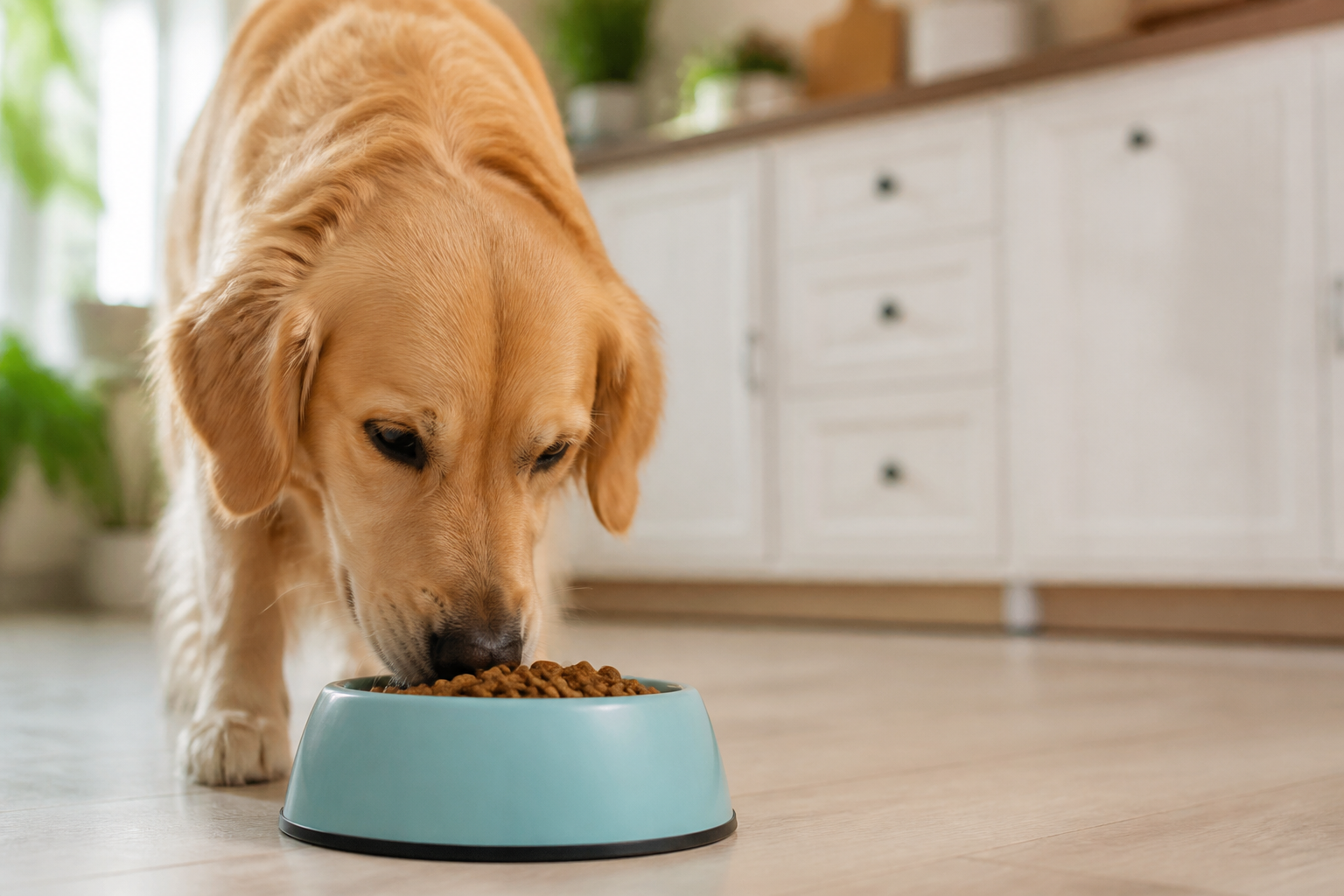
You fill the bowl with a premium kibble that looks perfect on paper. You have checked the protein levels and read every review. Yet, when you set the dish down, your dog gives it a quick sniff and walks away. It is a moment every pet owner knows well. It leaves you wondering why a dog would reject high quality nutrition. At BaxterBoo, we have spent years helping pet owners navigate these exact mealtime hurdles. Finding a dry food that dogs actually enjoy involves more than just picking a bag off the shelf. It requires understanding how dogs experience flavor through scent and texture. This guide will explore the biological reasons behind what makes certain kibbles irresistible. We will look at protein sources, fat content, and the importance of freshness in making every meal a success.
The Biological Drive for Scent
A dog does not choose their food primarily based on how it looks or even how it tastes in the traditional sense. Their decision starts with their nose. A dog has up to 300 million olfactory receptors in their nose. Compare that to about six million in a human. When you see a brown pellet, your dog sees a complex profile of fats and proteins.
Most dry dog foods are coated with a layer of fat or digest to make them more appealing. This coating releases aromas as soon as the bag opens. If the scent is weak or smells of oxidized fats, a dog will likely lose interest. This is why many owners find that their dogs prefer fish based recipes. Salmon and whitefish have a much stronger aromatic profile than chicken or turkey. Brands like Orijen and Acana dry dog foods lean heavily into these natural scents by using high percentages of fresh animal ingredients.
Quick Answer: Dogs typically love dry foods that have a high animal protein content and a strong aromatic scent. They are biologically driven to seek out animal fats, so kibble with a rich, oily coating is often the most palatable.
Why Protein Quality Matters for Taste
Dogs are opportunistic carnivores. They have a biological craving for the amino acid profiles found in animal tissues. When a dog food relies heavily on plant based proteins like corn gluten meal or soy, it often lacks the savory depth that dogs crave.
High quality dry foods prioritize named animal proteins. You should look for "deboned chicken" or "lamb" as the first ingredient. These provide a much more robust flavor than generic "meat meal." Some brands we carry, such as Stella and Chewy's, take this a step further. They often coat their kibble in freeze dried raw pieces. This adds a layer of intense meat flavor that most dogs find impossible to resist. Explore our dog food category to compare recipes and formats.
The Role of Novel Proteins
Sometimes a dog grows bored with standard chicken or beef. If your dog is a picky eater, a novel protein might be the solution. Proteins like venison, bison, or duck have different scent profiles.
- Venison offers an earthy, gamey scent.
- Duck is higher in natural fat and very aromatic.
- Bison provides a lean but flavor dense alternative.
- Lamb is often a hit for dogs with sensitive stomachs.
The Importance of Fat Content
Fat is the primary carrier of flavor in dog food. In the wild, fat was a dense and valuable energy source. Modern dogs still have that evolutionary drive to seek it out. A dry food with a moderate to high fat content usually tastes better to a dog than a low fat diet.
However, the type of fat matters. Look for specific fats like chicken fat or salmon oil. These are much more palatable than "animal fat" or "vegetable oil." These fats also provide essential omega fatty acids that support a healthy coat and skin. If you are feeding a weight management diet, the fat content will be lower. In these cases, you might need to look for a food that uses high quality natural flavor enhancers to compensate. For additional ideas, read what to add to dry dog food.
Key Takeaway: Scent and fat are the two biggest drivers of palatability. A food that smells like real meat and has a high quality animal fat coating will almost always win over a dog.
Texture and the Crunch Factor
The physical experience of eating is called mouthfeel. It plays a surprisingly large role in whether a dog enjoys their dry food. The size and shape of the kibble should match your dog's physical needs.
Small Breeds and Kibble Size
A small dog, like a Yorkie or a Maltese, has a tiny jaw. If the kibble pieces are too large or too hard, eating becomes a chore. Brands like Royal Canin create breed-specific kibble shapes. These are designed to be easier for specific jaw structures to pick up and chew. For a small dog, a smaller, more porous kibble that breaks easily is usually the preferred choice. Browse our selection of Royal Canin products for breed-focused formulas.
Large Breeds and Satisfaction
On the other hand, a large breed dog might find tiny kibble frustrating. They may swallow it whole without chewing, which can lead to digestive issues or even bloat. Larger kibble encourages "mechanical chewing." This provides a satisfying crunch and can even help scrape away some plaque from the teeth. Our guide to choosing between dry and wet dog food offers another way to compare mealtime textures.
Freshness and Storage
Even the most expensive dry food will lose its appeal if it goes stale. Kibble is high in fats. When those fats are exposed to oxygen, they begin to oxidize. This leads to rancidity. While humans might not smell a slight change, your dog certainly will.
Many owners make the mistake of pouring a new bag of food into a plastic bin that still has crumbs from the last bag. Those old crumbs are often rancid and will contaminate the new food. It is always better to keep the food in its original bag and place the entire bag inside a sealed container. This keeps the fat stable and the aroma strong for a longer period. See our dog food freshness and storage guide for more storage ideas.
Signs of Stale Food
- The food feels dusty or overly dry.
- There is a sour or "paint-like" smell.
- Your dog suddenly stops eating from a bag they previously liked.
- The bag has been open for more than six weeks.
Solving Picky Eating with Toppers
If you have found a high quality dry food that fits your budget but your dog still needs a push, toppers are a great solution. You do not always need to switch the entire diet. A small amount of moisture and scent can transform a bowl of dry kibble.
- Bone Broth: Adding a splash of dog-safe bone broth provides a massive boost in aroma.
- Freeze Dried Crumble: Crushing a few freeze dried treats over the food adds a concentrated meat flavor.
- Warm Water: Simply adding a little warm water to the kibble helps release the fat aromas and creates a light gravy.
For mix-ins and occasional crumbles, explore our dog treats collection.
Managing Health Conditions and Palatability
Sometimes a dog stops loving their food because of an underlying health issue. Allergies, dental pain, or digestive sensitivities can make a dog associate their food bowl with discomfort. In these cases, the "tastiest" food in the world will not help until the health concern is addressed.
Our pet pharmacy provides access to FDA-approved medications and prescription diets through our partnership with Pet's Choice. If your veterinarian recommends a specific therapeutic diet for conditions like kidney disease or severe allergies, we can help fulfill those needs. Many of these specialized foods, like Farmina Vet Life, are formulated specifically to be highly palatable because sick dogs often have lower appetites.
Vet Tip: If your dog suddenly loses interest in a food they have loved for years, consult your veterinarian. Sudden pickiness can be a sign of dental disease, gastrointestinal upset, or other internal health changes that require a professional diagnosis.
Transitioning to a New Food
If you have decided to try a new dry food that your dog might love more, do not switch all at once. A sudden change can cause upset stomachs, which may lead your dog to reject the new food entirely. Use a gradual transition over 10 days.
- Days 1 to 3: Mix 25% of the new food with 75% of the old food.
- Days 4 to 6: Use a 50/50 split.
- Days 7 to 9: Mix 75% of the new food with 25% of the old food.
- Day 10: Serve 100% of the new food.
Watch your dog's stool and energy levels during this time. If they are picking out the new kibble and leaving the old behind, you have likely found a winner. For another transition approach, read our guide to switching from dry to wet dog food.
Understanding Ingredient Labels
To find a food dogs love, you must look past the marketing on the front of the bag. The ingredient list is the only place where the truth is told. Ingredients are listed by weight before cooking.
Look for foods that list two or three animal sources at the very beginning. This ensures the protein is coming from muscles and organs rather than plant byproducts. Avoid foods that list "animal digest" or "meat byproducts" without specifying the animal. "Chicken digest" is much better because it identifies the source. Dogs generally prefer these specific, high quality proteins.
Common Palatability Boosters
- Animal Fat: Specifically named fats like chicken or beef fat.
- Liver: Most dogs find the scent of liver irresistible.
- Natural Flavors: These are often concentrated meat extracts applied to the outside of the kibble.
- Oils: Salmon oil or pollock oil adds a rich, fatty scent.
The Role of Variety
While dogs thrive on routine, some do benefit from a "rotational diet." This involves switching between different flavors within the same brand. For example, you might feed a chicken recipe one month and a lamb recipe the next. This keeps the scent profile fresh and can prevent a dog from becoming bored with their meals.
Most premium brands, like NutriSource or Open Farm, design their recipes to be interchangeable. This means the base ingredients are similar enough that you can switch flavors without a long transition period. This is a great strategy for dogs that seem to get "bored" after finishing half a bag. Learn more about mixing dry dog food with wet food when introducing variety.
Key Takeaway: A rotational diet within a single brand can prevent mealtime boredom while keeping digestion stable. It is a simple way to keep your dog excited about their dry food.
Feeding Habits and Environment
Sometimes the reason a dog does not love their food has nothing to do with the food itself. The environment plays a large role in how a dog perceives their meal.
If the bowl is in a high traffic area, a nervous dog might not feel safe enough to eat. If the bowl is made of plastic, it might hold onto bacteria or old smells that bother a sensitive nose. Switching to a stainless steel or ceramic bowl can often improve the experience. Additionally, make sure the bowl is cleaned after every meal. Dried saliva and old fat residues can smell foul to a dog, even if the bowl looks clean to you.
Conclusion
Finding the dry food your dog loves is a process of trial and error guided by biology. Focus on high quality animal proteins, strong aromatic profiles, and a kibble size that fits your dog's mouth. Remember that freshness is just as important as the ingredients themselves. Whether you are dealing with a picky puppy or a senior dog with a fading appetite, the right balance of scent and texture will make all the difference. We invite you to explore our wide selection of over 500 brands at BaxterBoo. From premium kibble to specialized prescription diets in our pharmacy, we have the tools to help your dog enjoy every meal. Consider signing up for our Autoship programme to ensure you never run out of your dog's favorite food while saving on every order.
Bottom line: Focus on the first three ingredients and the aromatic quality of the food to find a dry kibble your dog will truly enjoy.
FAQ
Why does my dog suddenly hate their favorite dry food?
There are several common reasons for this change. The food might have gone stale or rancid if the bag has been open for too long or stored improperly. Alternatively, your dog may have developed a dental issue or an upset stomach that makes eating uncomfortable. It is also possible the manufacturer changed the recipe or the source of their ingredients.
Can I mix wet food with dry food to make it more appealing?
Yes, mixing a small amount of wet food into kibble is an excellent way to increase palatability. The wet food provides a much stronger scent and a different texture that most dogs find exciting. Just be sure to adjust the total calorie count to prevent overfeeding and unwanted weight gain.
Does the shape of the kibble really matter to a dog?
The shape matters more for the ease of eating than the actual flavor. Certain shapes are designed to be easier to pick up for flat faced breeds like Bulldogs or Pugs. Other shapes are designed to encourage chewing, which releases more of the fat aromas and provides a more satisfying physical experience for the dog.
Should I avoid grain free food if my dog is picky?
Not necessarily. Many dogs love grain free foods because they often have a higher concentration of animal protein and fat. However, many grain inclusive foods use "ancient grains" like quinoa or oats which some dogs find very tasty. The most important factor is the quality of the meat source rather than the presence or absence of grains.






