
 Save 15% on your 1st Autoship learn more

 Email us
 Live Chat
 FAQs
FAQs





Introduction
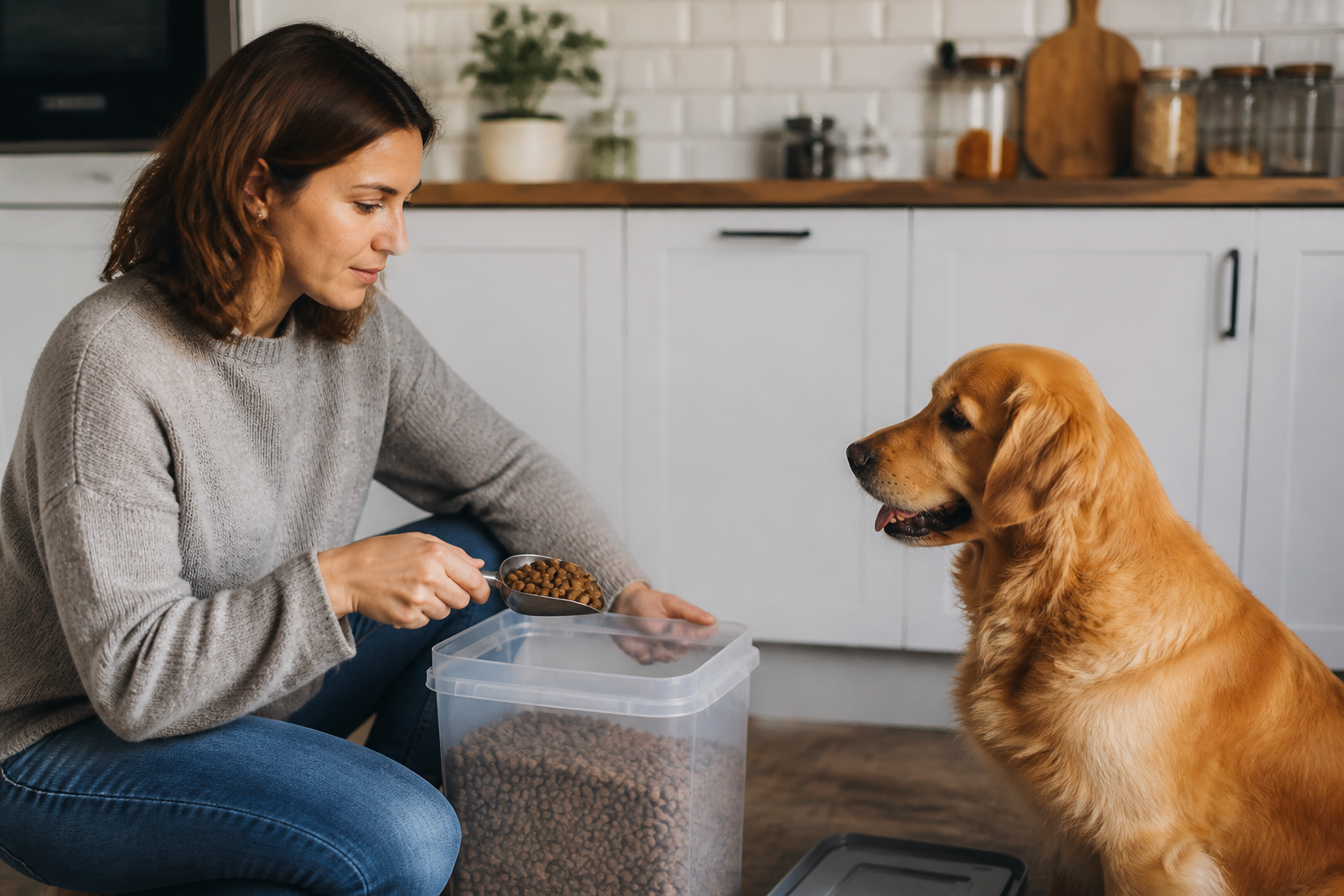
You are reaching for a bag of kibble in the back of the pantry and notice the date printed on the bottom has already passed. It might only be a few weeks late, or perhaps you found an unopened bag from last year. At BaxterBoo, we know how tempting it is to avoid waste, especially when pet food prices are rising. However, feeding your dog expired food involves more than just a loss of crunch. While these dates often reflect quality rather than immediate safety, the health of your dog depends on the stability of the ingredients inside that bag. This post covers how to read pet food labels, the science of fat oxidation, and the specific risks of feeding old kibble. Understanding the difference between a best-by date and a safety hazard helps you make the best choice for your dog. If you want a place to compare fresh options, start with our dry dog food category.
Quick Answer: Dry dog food is generally not recommended for use after its expiration or best by date. While unopened bags might be safe for a very short period, the nutritional value declines and the risk of rancid fats or mold increases significantly once that date passes.
Understanding Best By vs. Expiration Dates
The first thing to look for is the specific wording on the packaging. Most dog food manufacturers use a best by date rather than a strict expiration date. A best by date is an estimate of how long the food will maintain its peak nutritional profile and flavor. Nutritionists who formulate these recipes calculate how long vitamins, minerals, and fats will remain potent. Once that date passes, the company no longer guarantees that the food provides the balanced nutrition listed on the label.
Strict expiration dates are less common but more serious. These are often found on prescription diets or foods with specific medicinal properties. If a bag has a hard expiration date, it means the ingredients may become unstable or the preservatives may fail after that point. At our warehouse, we keep a close eye on these dates to ensure every bag sent to your door is at its peak. Whether the bag says best by or expires, you should treat it as a signal that the chemical makeup of the food is starting to change. For more on shelf life, see our blog post on how long dry dog food stays fresh once opened.
The Science of Fat Oxidation and Rancidity
The biggest risk in feeding expired dry dog food is the breakdown of fats. This process is called lipid oxidation. Dry kibble contains various fats and oils that provide energy and support skin health. When these fats are exposed to air and time, they begin to break down into smaller, volatile molecules. This is what creates a rancid smell.
Diets high in unsaturated fats are especially vulnerable to this process. If your dog eats food with fish oils or flaxseed, the oxidation process happens faster. Rancid fats do more than just taste bad. They can cause internal inflammation and oxidative stress in your dog. Over time, eating oxidized fats may lead to chronic health issues or digestive upset. If you want another take on spoilage, read our blog post on whether dry dog food goes bad.
Key Takeaway: Lipid oxidation turns healthy fats into toxic compounds that can cause diarrhea and long term health problems. The more specialized the fats in the diet, the faster the food will spoil.
Nutrient Degradation Over Time
Even if the food does not smell rancid, it loses its nutritional value as it ages. Vitamins are delicate compounds. Vitamin C and various B vitamins are particularly sensitive to environmental factors. By the time a bag reaches its best by date, the vitamin levels are likely at the lowest acceptable limit. After that date, your dog may not be getting the levels of nutrients they need to thrive.
Minerals are generally more stable, but they cannot make up for a lack of vitamins. Manufacturers often add nutrient overages to account for some loss during shipping and storage. However, these overages are not designed to last for months past the printed date. If your dog is on a specific therapeutic diet, this loss of potency is even more critical. For a deeper dive into freshness timing, check our blog post on how long you can keep dry dog food for peak freshness.
The Danger of Mold and Mycotoxins
Moisture is the enemy of dry dog food. If a bag is stored in a humid environment, or if the seal is compromised, mold can grow inside the kibble. You cannot always see mold with the naked eye. Some molds produce harmful chemicals called mycotoxins. These toxins are heat stable, which means they do not disappear easily and can cause severe illness or liver damage.
Mold thrives in the presence of oxygen and moisture. This is why even a small tear in the bag can lead to spoilage long before the expiration date. If you notice any clumping in the kibble or a musty odor, discard the entire bag immediately. Do not try to scoop out the good parts, as mold spores and toxins can spread throughout the entire container. If you are comparing storage methods, our blog post on how long dry dog food lasts covers more freshness basics.
Signs Your Dog Food Has Gone Bad
Sometimes a bag of food spoils before the date on the label because of poor storage or shipping conditions. You should perform a quick check every time you open the bag. Your dog has a much more sensitive nose than you do, so their behavior is often the first clue.
- A sour, metallic, or paint like smell coming from the bag.
- Visible mold or fuzzy growth on the kibble pieces.
- Evidence of bugs, weevils, or mites inside the packaging.
- Kibble that feels oily, damp, or unusually crumbly.
- Your dog suddenly refuses to eat a food they usually love.
Vet Tip: If your dog experiences sudden vomiting, diarrhea, or lethargy after eating, consult your veterinarian immediately. These could be signs of food poisoning or mycotoxin exposure. Your vet can help determine if the food was the cause.
The 4 to 6 Week Rule for Opened Bags
The date on the bag only applies to unopened food. Once you break the seal, the clock starts ticking much faster. Most experts recommend using a bag of dry food within four to six weeks of opening it. Each time you open the bag, you introduce fresh oxygen and moisture.
If you have a small dog, it is often better to buy smaller bags of food. While the price per pound is higher, the food will stay fresh and nutritious until the last bite. A large bag that sits open for three months will be nutritionally inferior and likely rancid by the time you reach the bottom. We carry many premium brands like NutriSource and Stella & Chewy's in various sizes to help you match the bag size to your dog's appetite.
Proper Storage Practices to Extend Freshness
How you store your dog's food is just as important as the date on the bag. Many owners make the mistake of pouring the kibble directly into a plastic bin. This is not ideal for several reasons. Plastic can have microscopic pores that trap old fats, which then turn rancid and contaminate the new food.
Instead, keep the food in its original bag. The packaging is engineered to be a barrier against oxygen and light. Place the entire bag inside an airtight container. This provides a double layer of protection. It also keeps the lot number and expiration date handy in case there is ever a product recall. For another storage-focused read, see our blog post on keeping dog food dry outside.
- Keep the container in a cool, dry place like a pantry.
- Avoid storing food in the garage where temperatures fluctuate.
- Do not store food under the sink or near water pipes where humidity is high.
- Keep the food off the floor to prevent pests and moisture wicking.
The Importance of High Quality Preservatives
The type of preservatives used in the food affects how well it holds up as it nears its expiration date. Natural preservatives like tocopherols (Vitamin E) and rosemary extract are popular in premium brands like Open Farm and Acana. While these are great for your dog's health, they do not last as long as synthetic preservatives.
Synthetic preservatives like BHA and BHT are very effective at preventing fat spoilage, but many owners prefer to avoid them. If you choose a food with natural preservatives, you must be even more diligent about checking the dates and storing the food correctly. The window of freshness is much smaller for these high quality, natural recipes.
Key Takeaway: Natural preservatives are healthier but less stable than synthetic ones. Always check the dates on premium, naturally preserved foods before purchase.
Managing Specialty and Prescription Diets
If your dog requires a prescription diet for a health condition like kidney disease or food allergies, the expiration date is a safety requirement. These formulas are precisely balanced to manage a medical issue. If the nutrients degrade, the food may no longer support your dog's health needs.
Through our pet pharmacy, BaxterBoo offers a wide range of prescription dog and cat medicines. We ensure that these specialized products are handled with care and shipped with plenty of time before their expiration. If your dog is on a long term prescription diet, using our Autoship programme can help ensure you always have a fresh bag on hand without needing to stockpile old food.
Transitioning to a New Bag
If you realize your food is expired and you need to switch to a fresh bag, try to do it as quickly as possible without causing digestive upset. However, if the old food is truly rancid or moldy, do not mix it with the new food. It is better to start the new bag immediately.
Step 1: Inspect the new bag for tears and check the expiration date. Step 2: Wash your storage container thoroughly with soap and water and let it dry completely. Step 3: Place the new bag inside the container and seal it tightly. Step 4: Monitor your dog for any changes in appetite or stool quality during the first few days. If you want to keep an eye on recurring purchases, our MVP Rewards programme can help stretch your budget.
Preventing Waste and Saving Money
No one likes throwing away a half full bag of expensive dog food. The best way to prevent this is through careful planning. Calculate how many pounds of food your dog eats per month and buy the bag size that fits that window.
If you find yourself with too much food, check with a local shelter to see if they accept donations. Some organizations can use food that is only a few weeks past its best by date, though many have strict rules for safety. At home, the safest path is always to prioritize your dog's health over the cost of the kibble. Using our MVP Rewards programme can help you earn points on every purchase, making it easier to replace food when necessary without breaking your budget. For shoppers who prefer repeat ordering, our Autoship programme can also help keep food rotation simple.
Summary of Feeding Safety
While it might seem harmless to feed kibble that is just a little past its prime, the chemical changes inside the bag are invisible. From oxidized fats that cause inflammation to the loss of essential vitamins, expired food is a poor choice for a healthy dog. By following the 4 to 6 week rule for opened bags and using proper storage techniques, you can ensure your dog gets the nutrition they deserve.
Our team at BaxterBoo is dedicated to providing fresh, high quality food from over 500 trusted brands. We handle our inventory with care so that you never have to worry about the quality of what arrives at your door. Whether you are managing a senior dog's nutrition or starting a puppy on their first bag of kibble, we are here to support your journey with practical gear and expert advice. If you want to keep learning, browse our blog post on what dry dog food is good for after opening.
Bottom line: Expired dog food loses its nutritional value and carries risks of rancidity and mold, so it should be discarded to protect your dog's health.
FAQ
Can I feed my dog food that is only one month past the expiration date?
It is generally best to avoid it, as the fats may have already begun to oxidize and the vitamins have likely lost their potency. While a single meal might not cause an immediate reaction, consistent feeding of expired food can lead to nutritional deficiencies or digestive issues. If the food smells perfectly fresh and has been stored in a climate controlled area, some owners take the risk, but discarding it is the safer choice.
How can I tell if my dog's dry food has gone rancid?
The most common sign of rancidity is a change in smell, often described as smelling like old paint, sour chemicals, or stale metal. You might also notice that the kibble feels excessively oily or leaves a residue on your hands that is difficult to wash off. If your dog, who usually has a healthy appetite, suddenly sniffs the bowl and walks away, trust their nose and check the bag.
Does unopened dry dog food really expire?
Yes, unopened dry dog food expires because the preservatives eventually break down and the fats inside the kibble begin to oxidize even without direct exposure to outside air. The packaging provides a strong barrier, but it is not 100 percent impermeable to oxygen over long periods of time. Most manufacturers only guarantee the safety and nutritional completeness of the food until the printed date.
Is it safe to store dog food in a plastic bin?
Storing food in a plastic bin is only safe if you keep the food inside its original bag and place the whole bag into the bin. Pouring kibble directly into a plastic container can lead to the buildup of rancid fats in the plastic pores, which can contaminate future batches of food. If you must pour it in, you must wash and dry the container thoroughly between every single bag to prevent mold and bacterial growth.






